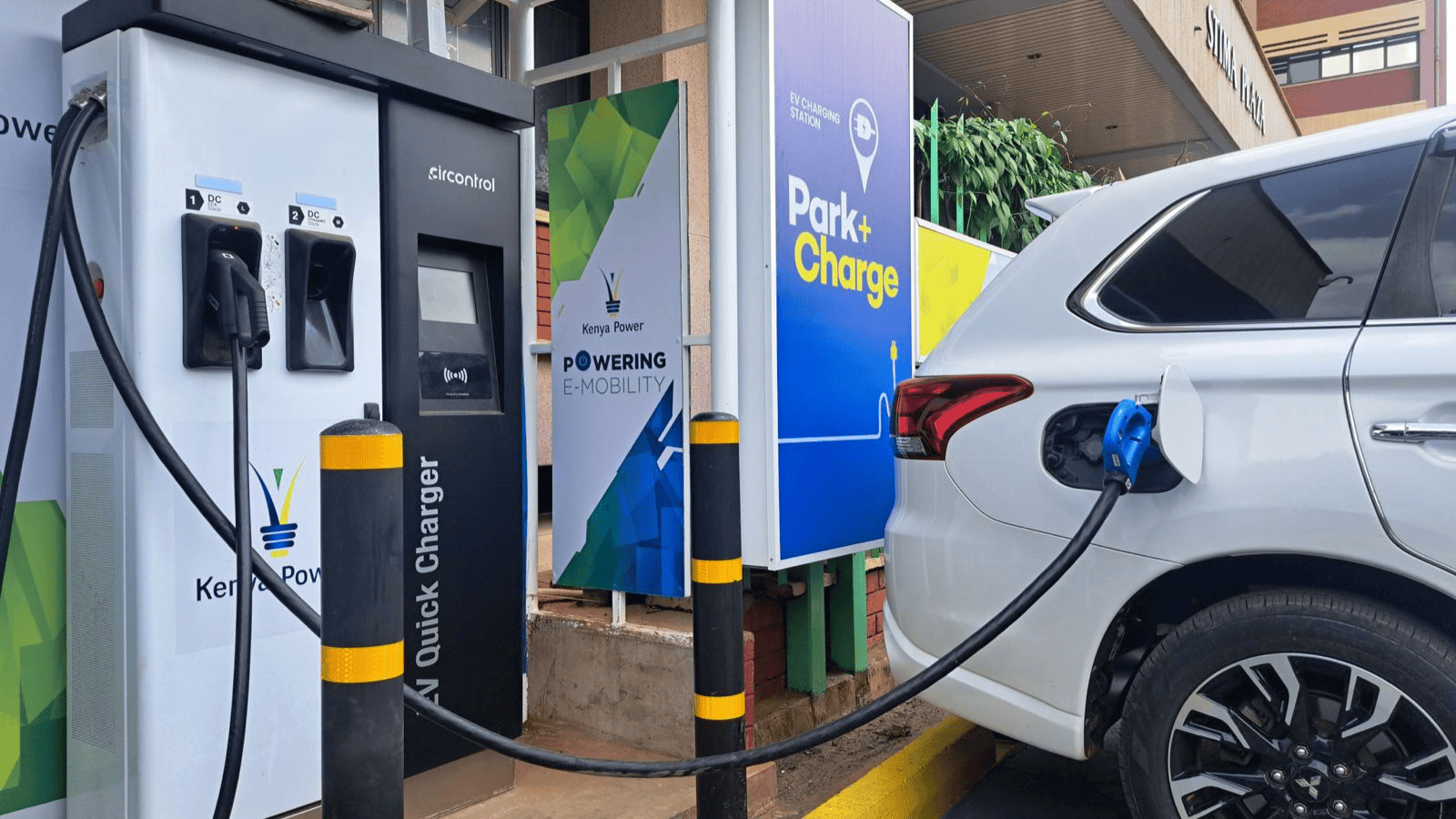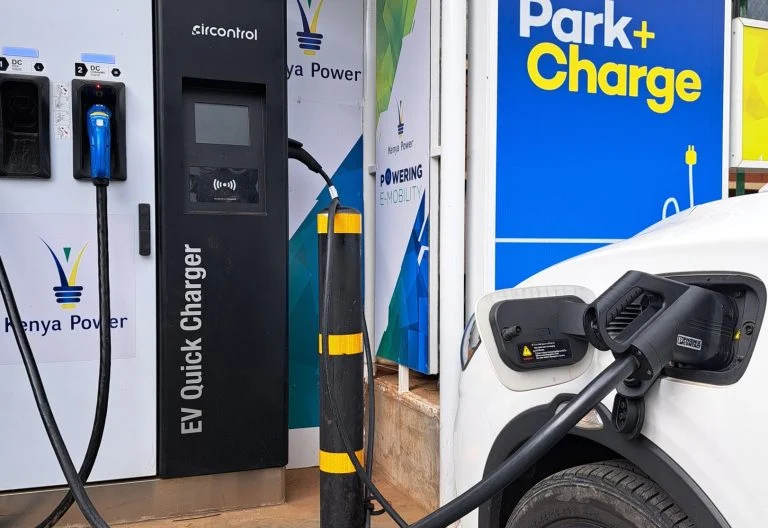
Driving from Nairobi to Mombasa on an electric vehicle
A few years ago, telling someone you were driving to the coast in an electric car would have earned you a long look and a "safiri salama" that sounded more like a prayer. Not anymore. Kenyans have been posting their long-distance EV trips all over social media — full runs between Mombasa and Nairobi, loops around Mt Kenya — and the message from every one of them is the same: it's not range that decides the trip. It's knowing exactly where your next charge is.
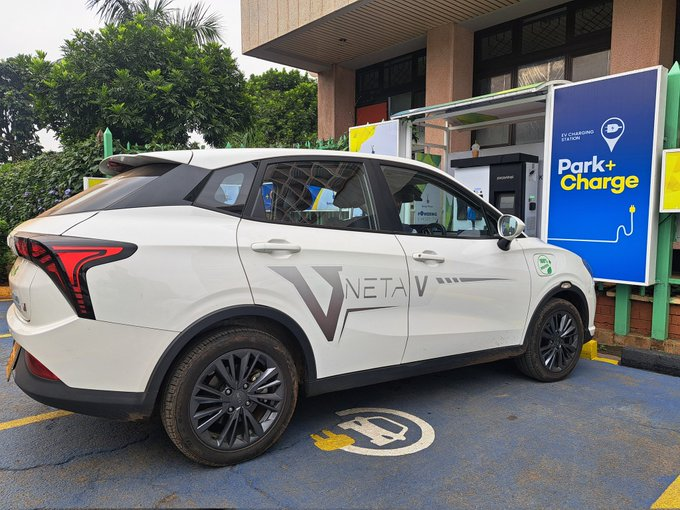
That part just got a lot easier. GO Kabisa is now live on SwapIt, adding over 400 charging stations across Kenya to the map — and most of them are compatible with the majority of electric vehicles on Kenyan roads today. Here's how to plan the Nairobi–Mombasa drive with confidence.
In short: the Nairobi–Mombasa route is roughly 480–500 km, more than most EVs cover on one charge — so plan one or two charging stops. Download SwapIt, search for GO Kabisa stations along your route, favourite your planned stops, and check community updates before you set off. Charge before you need to, not when you're desperate.
1. Know your range — and respect the route
Nairobi to Mombasa is about 480–500 km on the A109, a drive of six to seven hours with sensible breaks. Most electric cars on Kenyan roads today — think Nissan Leaf, BYD Dolphin, Hyundai Kona and similar — realistically cover anywhere from 200 km to 450 km on a full charge, depending on the model, your speed, the AC, and how loaded the car is.
Two things about this route in particular:
- Going down to the coast, gravity is your friend. Nairobi sits at around 1,700 m above sea level and Mombasa is at the ocean — the long descent plus regenerative braking will stretch your range further than you expect.
- Coming back up is the real test. The return climb, the coastal heat and a running AC all eat into your battery. Whatever your car did on the way down, budget more charging on the way back.
Either way, the maths is simple: for almost every EV, this trip needs at least one charging stop. The question is never if — it's where, and whether that charger is actually working when you arrive.
2. GO Kabisa is now on SwapIt — 400+ stations across Kenya
This is the game-changer for long-distance EV driving. GO Kabisa's network of more than 400 charging stations countrywide is now listed on SwapIt, and their chargers are compatible with most electric vehicles — so whether you're in a Leaf, a Dolphin, a Kona or something bigger, you can pull up and plug in.
To find them:
- Open SwapIt and tap the search bar.
- Type "GO Kabisa" to see all their stations, or search the towns along your route — Machakos junction, Emali, Mtito Andei, Voi, Mariakani — to see what's available where you actually plan to stop.
- Tap any pin to see the station's status (online, busy or offline), whether it's a charge or swap point, and which vehicles it serves.
- Tap Get directions and the route opens straight in Google Maps.
The list view is sorted by distance, so wherever you are on the highway, the nearest working charger is always at the top.
3. Plan your stops before you leave Nairobi
The drivers posting successful coast trips online all did the same thing: they planned their charging stops before turning the key, not at 30% battery somewhere past Emali.
Here's the SwapIt way to do it:
- The night before, search your route and pick your charging stops — ideally spaced so you arrive at each one with a comfortable buffer, not a trembling 8%.
- Tap the heart icon on each planned stop to save it as a favourite. On the road, your whole route lives in the Saved tab, one tap from the home screen.
- Save a backup station near each planned stop. If your first choice has a queue or is offline, you'll already know your Plan B instead of searching on the roadside with a hot battery and a full car.
A charging stop doesn't have to cost you time, either. A DC fast charge can add serious range in the time it takes to have a proper lunch — plan your meal break and your charging stop at the same place and the "waiting" disappears.
4. Drive like a range pro
A few habits that the long-distance EV crowd swears by:
- Charge before you need to. Passing a working charger at 55% and hoping for another one at 20% is how road-trip horror stories start. Top up when the opportunity is there.
- Ease off the speed. High speeds drain an EV battery disproportionately. Cruising a little slower can add tens of kilometres of range — and on this highway, that's the safer drive anyway.
- Use eco mode and regen braking, especially on the descents through Tsavo.
- Watch the heat. Coastal temperatures work both your AC and your battery harder. Pre-cool the car while it's still plugged in if you can.
And one more thing worth smiling about: Kenya's grid runs largely on geothermal, hydro and wind. That trip to the coast is powered mostly by clean Kenyan energy — and at a fraction of what the same trip costs in petrol.
5. Check — and post — community updates
Before you leave each stop, open your next station in SwapIt and check the community updates. If another driver arrived an hour ago and found a queue or a charger down, you'll know before you commit 80 km to that plan.
And pay it forward: when you charge along the way, post a quick update from the station's page — one tap and a short note. "Charging fine, no queue, 2:15pm" is gold to the driver an hour behind you. If someone's update helped you, tap helpful so the reliable reports rise to the top. The more of us on the road doing this, the more the map reflects what's actually happening on the ground.
A quick recap
- Know your range — Nairobi–Mombasa is ~500 km, so plan at least one charging stop.
- Search "GO Kabisa" on SwapIt — 400+ stations across Kenya, compatible with most EVs.
- Favourite your planned stops (and a backup for each) before you leave.
- Charge early, drive smooth, and combine charging with your meal breaks.
- Check and post community updates so every driver on the route wins.
The coast run used to be the trip that "proved" EVs weren't ready for Kenya. Now it's the trip that proves they are. Download SwapIt, map your chargers, and go make your own Nairobi–Mombasa story — we'd love to see it posted.