Electric vehicles are no longer a novelty on Kenyan roads. Electric boda bodas are becoming a normal sight at stages in Nairobi and beyond, electric buses are running city routes, and more drivers are looking at electric cars as fuel prices climb. The question has shifted from "do EVs work in Kenya?" to a much more practical one: "where do I charge?"
The honest answer is that charging in Kenya is growing quickly but unevenly. Knowing who is building the network, and where, is the difference between EV ownership feeling effortless and feeling like a gamble. This guide covers both, then shows you how to keep track of it all from one app.
In short: Kenya's charging network is being built by a mix of players, from Kenya Power and TotalEnergies to swap networks like Spiro and Roam, with stations in Nairobi, Mombasa and major towns like Nakuru, Naivasha and Nanyuki. SwapIt puts all of them on one live map, so you can see what's online near you, get directions, and save your regular stops.
First, know your charging: swap vs plug-in
Kenya's EV scene runs on two different models, and which one matters to you depends on what you drive:
- Battery swapping is built for electric boda bodas and e-bikes. You ride to a swap cabinet, exchange your empty battery for a fully charged one, and you're moving again in about a minute. No waiting, no cables.
- Plug-in charging is what electric cars and buses use. You park at a charging station, plug in, and charge on site. Depending on the charger, that takes anywhere from a quick top-up on a fast DC charger to a few hours on a standard AC point.
Most of the companies below focus on one model or the other, which is why the network can feel fragmented if you're trying to follow it operator by operator.
The companies building Kenya's charging network
Here are the main players putting stations on the ground, all of which you'll find mapped on SwapIt:
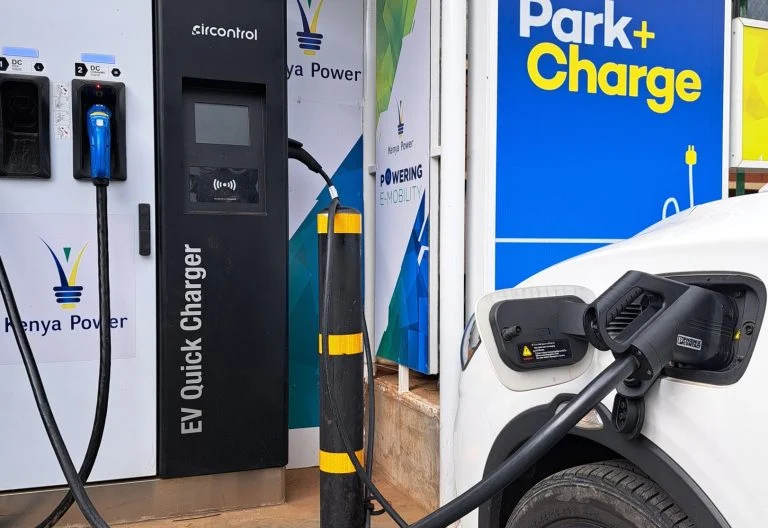
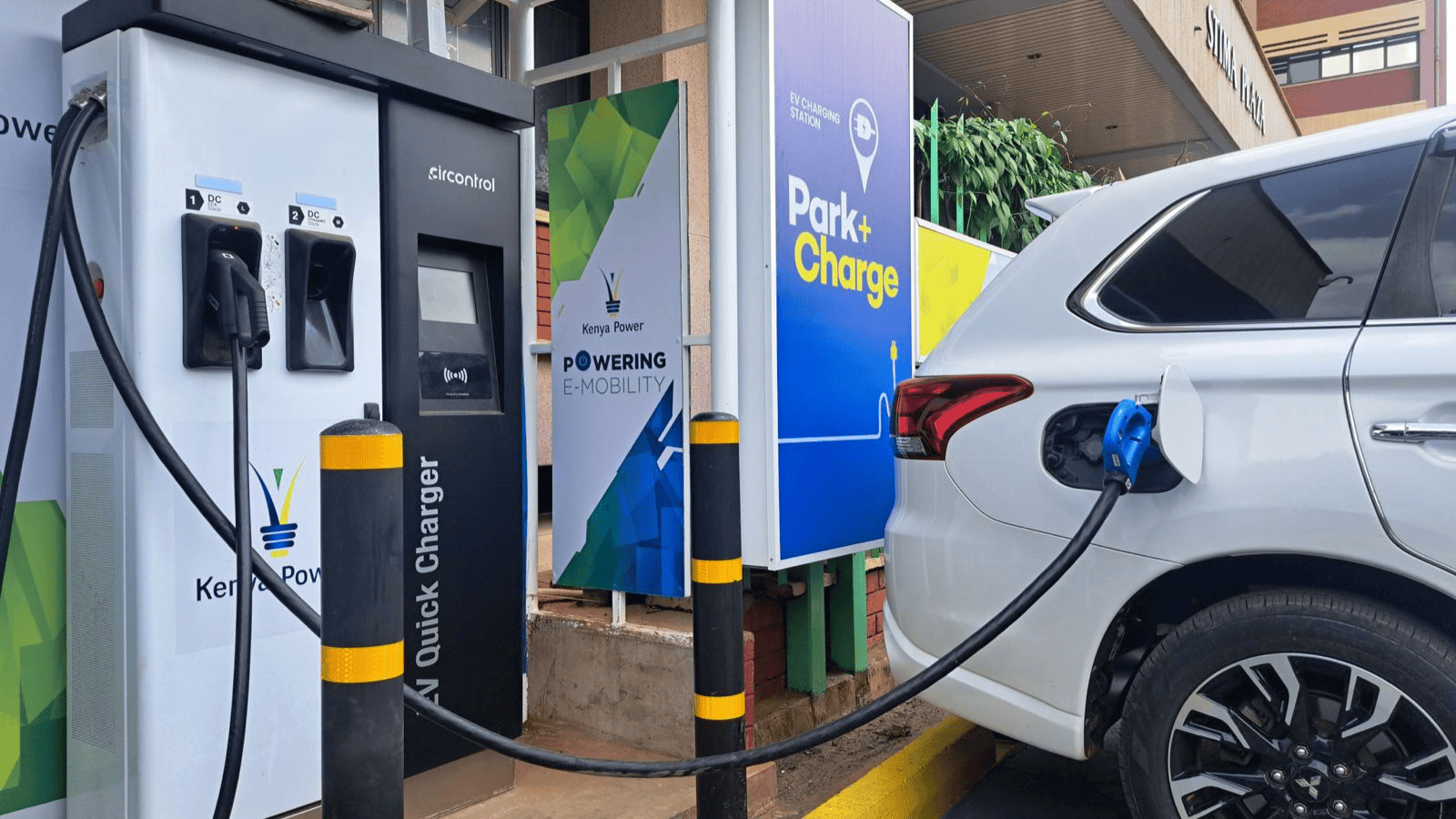
Kenya Power. The national utility has moved into e-mobility and is rolling out public charging points, with plans that reach beyond Nairobi into major towns across the country. As the company that runs the grid itself, its entry is a strong signal of where things are heading.
GO Kabisa. A charging network expanding along Kenya's major corridors, including the Nairobi to Mombasa route. If you're planning intercity trips in an electric car, this is a network to watch.
BasiGo. Best known for its electric buses, BasiGo has been building out charging infrastructure to support its fleet, adding serious charging capacity in the areas where its buses operate.
TotalEnergies. The fuel giant is adding EV chargers at its service stations, which matters because its forecourts are already exactly where drivers stop: on highways and in town centres.
Spiro. One of the largest electric boda boda networks in Africa, with battery swap cabinets across Nairobi and expanding coverage. If you ride a Spiro bike, swap stations are your lifeline, and there are more of them every month.
Roam. The Kenyan-built electric motorcycle company is growing its own swap and charging network to support its riders.
SupaChaja. A Kenyan charging infrastructure company growing its network of public charging points.
Each of these operators runs its own map or app. That's fine if you only ever use one network. Most riders and drivers don't have that luxury.
Where you'll actually find charging stations in Kenya
Coverage today looks roughly like this:
- Nairobi has the densest network by far: swap cabinets around boda stages and estates, plug-in chargers in malls, offices and service stations.
- Mombasa and the coast are growing, helped by charging points along the Nairobi to Mombasa corridor at stops like Mtito Andei and Voi.
- Major towns are coming online steadily. Nakuru, Naivasha, Eldoret, Kisumu, Thika and Nanyuki all have charging or swap points, with more being added as operators expand along the highways that connect them.
Two things are true at once: coverage is better than most people assume, and it changes almost monthly. A town that had nothing in January may have three stations by June. A printed list, or a blog post, goes stale fast. A live map doesn't.
That's exactly the problem SwapIt solves.
How to find every station near you with SwapIt
Instead of checking each operator separately, SwapIt pulls stations from across these networks into one live map. Setting it up takes two minutes:
1. Download the app. Get SwapIt free on Google Play. It's only a few megabytes. iOS is on the way.
2. Sign up and allow location access. A phone number and a name is all you need. Choose "While using the app" when asked for location, and the map opens sorted by distance with the nearest station right on your home screen. Prefer not to share location? Search by area name instead, like "Nakuru CBD" or "Thika Road".
3. Check before you ride. Every pin shows the operator, whether it's a swap or charge station, which vehicles it serves, live status (online, busy or offline), and the estimated distance and ride time, like "About 6 min ride, 2.5 km away". Tap Get directions to open the route in Google Maps.
4. Save your regular stops. Tap the heart on the stations you use daily and they live in your Saved tab. A ten-second glance before you leave beats riding to a station that's down.
5. Help the next rider. If you find a long queue or a charger that's off, post a quick Rider Update from the station page. Other riders see it before they waste the trip, and you'll see theirs. Tap helpful on updates that saved you time so the reliable ones rise to the top.
Frequently asked questions
How many EV charging stations are there in Kenya? The number changes almost monthly as operators expand. The fastest current answer for your area is the SwapIt map, which pulls stations from multiple networks into one view.
Which towns in Kenya have EV charging stations? Nairobi has the widest coverage, followed by Mombasa and towns along the main corridors. Nakuru, Naivasha, Eldoret, Kisumu, Thika and Nanyuki all have charging or swap points, and coverage is expanding. Search any town in SwapIt to see what's live there today.
Is EV charging free in Kenya? Pricing depends on the operator and station type. Swap networks typically charge per battery swap, while charge stations bill for the energy you use. Check the station page in SwapIt and the operator's terms before you plug in.
What's the difference between a swap station and a charge station? A swap station exchanges your empty battery for a charged one in about a minute, which is common for electric boda bodas. A charge station is a plug-in point where your vehicle charges on site, which is what electric cars and buses use.
A quick recap
- Kenya's charging network is being built by Kenya Power, GO Kabisa, BasiGo, TotalEnergies, Spiro, Roam, SupaChaja and others.
- Coverage is strongest in Nairobi, growing fast in Mombasa and major towns like Nakuru, Naivasha and Nanyuki.
- The network changes monthly, so a live map beats any list.
- SwapIt puts every network on one map: install it, allow location, check a station is online, and go.
- Favourite your regular stops and post Rider Updates to keep the map true to the ground.
The infrastructure is coming faster than most people realise. The riders who win are the ones who always know where the next charge is.